Biography & Early Wealth Journey
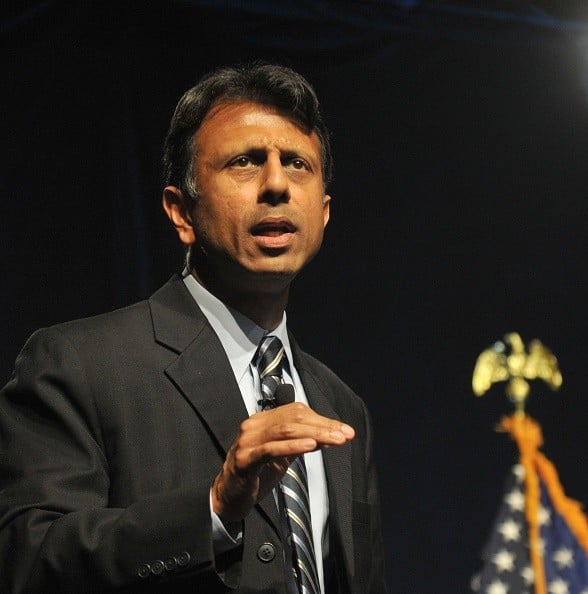
Bobby Jindal rose to national prominence as one of the Republican Party's young stars in the early 2000s. The son of Indian immigrants, Jindal built a reputation as a policy expert and reform-minded leader, serving in a variety of health and education roles before winning a seat in Congress and later being elected governor in 2007. He became the nation's first Indian-American governor and was once seen as a potential future presidential candidate. However, his political fortunes declined following an unpopular second term and a poorly received 2016 presidential campaign.
Primary Income Streams & Multi-Million Contracts
Today, Bobby Jindal's career stands as a story of early promise, rapid ascent, and a complicated political legacy. Early Life and Education Piyush "Bobby" Jindal was born on June 10, 1971, in Baton Rouge, Louisiana, shortly after his parents emigrated from India. He adopted the nickname "Bobby" at a young age, inspired by a character from The Brady Bunch.
Trending Wealth Dossiers:
Real Estate, Luxury Assets & Personal Investments
A gifted student, Jindal graduated from Baton Rouge Magnet High School and went on to attend Brown University, where he majored in biology and public policy. He later studied at the University of Oxford as a Rhodes Scholar, earning a master's degree in political science. Jindal's academic background laid the foundation for a political career built heavily around policy expertise and technocratic reform. Early Political Career
Wealth Trajectory & Future Earnings Projections
After returning from Oxford, Jindal quickly entered public service. In his early twenties, he was appointed Secretary of the Louisiana Department of Health and Hospitals, where he gained national recognition for turning around the state's struggling Medicaid program. His success in health care policy led to a role as executive director of the National Bipartisan Commission on the Future of Medicare and eventually a senior position at the U.S. Department of Health and Human Services under President George W.
Bush. In 2004, Jindal ran for Congress and won a seat representing Louisiana's 1st District. During his time in the U.S. House of Representatives, he earned a reputation as a rising Republican star, combining fiscal conservatism with a focus on healthcare and education reform.
Governorship In 2007, Bobby Jindal ran for governor of Louisiana and won decisively, becoming the youngest sitting governor in the country at the time and the first Indian-American to ever hold a governorship. His first term was largely successful, marked by ethics reforms, hurricane recovery efforts, and economic development initiatives. Jindal's popularity soared, and he easily won re-election in 2011 with more than two-thirds of the vote.
However, his second term proved far more challenging. Critics argued that deep budget cuts to healthcare and higher education, combined with his focus on building a national profile, left Louisiana worse off. His approval ratings plummeted by the end of his tenure, particularly as the state struggled with significant fiscal deficits. Steve Pope/Getty Images
2016 Presidential Campaign In 2015, Bobby Jindal announced his candidacy for the Republican presidential nomination. Despite his earlier reputation as a GOP rising star, Jindal struggled to gain traction in a crowded field dominated by outsiders like Donald Trump. His campaign focused on conservative social issues, immigration, and reducing the size of government, but failed to generate much enthusiasm or media attention.
Jindal ultimately suspended his campaign in November 2015, before any primary votes were cast. The presidential run marked a major turning point, effectively ending Jindal's upward political trajectory on the national stage. Personal Life Bobby Jindal has been married to his wife, Supriya Jolly, since 1997.
The couple has three children: Selia, Shaan, and Slade. A devout Catholic, Jindal converted from Hinduism to Christianity during his teenage years—a decision he has often discussed publicly as a significant moment in his life. Faith has remained a central part of his personal identity and political platform throughout his career. In addition to his political work, Jindal is the author of several books, including Leadership and Crisis, a memoir reflecting on his governing philosophy and experiences in office.
Legacy Bobby Jindal's legacy is a complicated one. Once hailed as a visionary reformer and potential national leader, his political career ultimately faltered due to unpopular policy decisions and a failed presidential run. Nonetheless, his groundbreaking role as the first Indian-American governor and his early successes in reforming Louisiana's government and healthcare systems remain important parts of his historical footprint.
Jindal's story serves as both an inspiring example of immigrant success and a cautionary tale about the challenges of translating state-level popularity into lasting national influence. Jindal Edwards